 Software Development
 Security Services
 Cloud Services
 AI Services
 Other Services















 TechMagic Academy


Mastering Omnichannel Banking Implementation: Best Practices and Strategies
Last updated:19 March 2024

How do banks keep up with what customers expect now? The ones that manage it tend to blend digital convenience with old-fashioned human help, so the experience holds together across both channels.
Capgemini puts it in numbers: 76% of customers now expect an omnichannel experience, and 59% want on-demand service, any time. A convenient mobile app no longer cuts it. What people want is to move between channels without starting over, and banking is no exception.
With so many alternatives a tap away, a smooth customer experience has stopped being optional. People will switch banks over friction they wouldn't even have noticed a decade ago.
This guide is about doing omnichannel banking properly, from the strategy down to the implementation detail.
Omnichannel banking
Digital banking reset what customers expect. Once online and mobile banking arrived, people wanted that same convenience everywhere. Their account should be a tap away, and when something goes wrong, they want a real answer fast, whatever device they happen to be on.
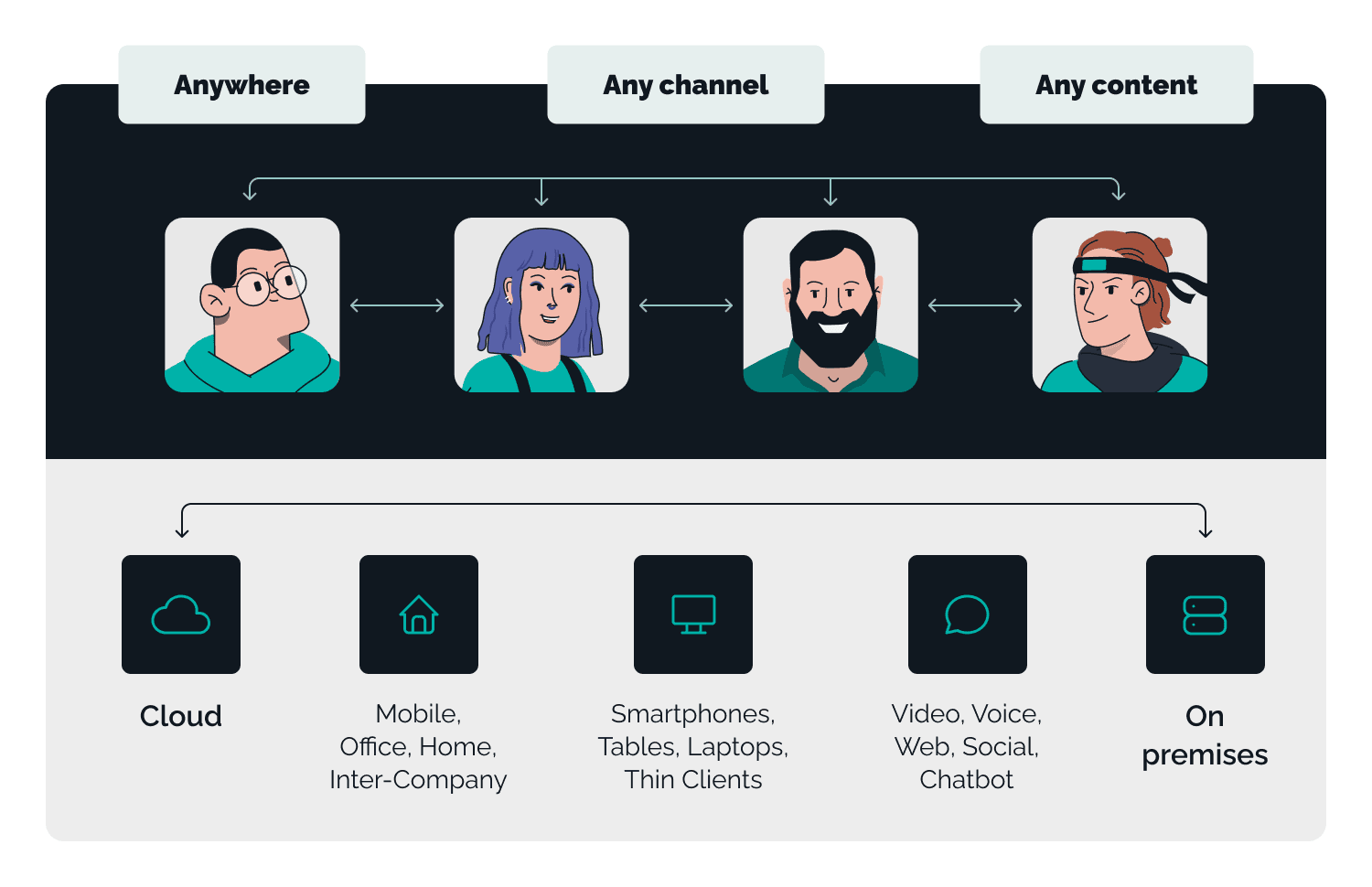
They also expect the bank to lean on Artificial Intelligence and Machine Learning, with data analytics underneath, to see needs coming and tailor what it offers. What people value now really comes down to speed and security, with as little friction as possible. That's what keeps banks improving their omnichannel setup.
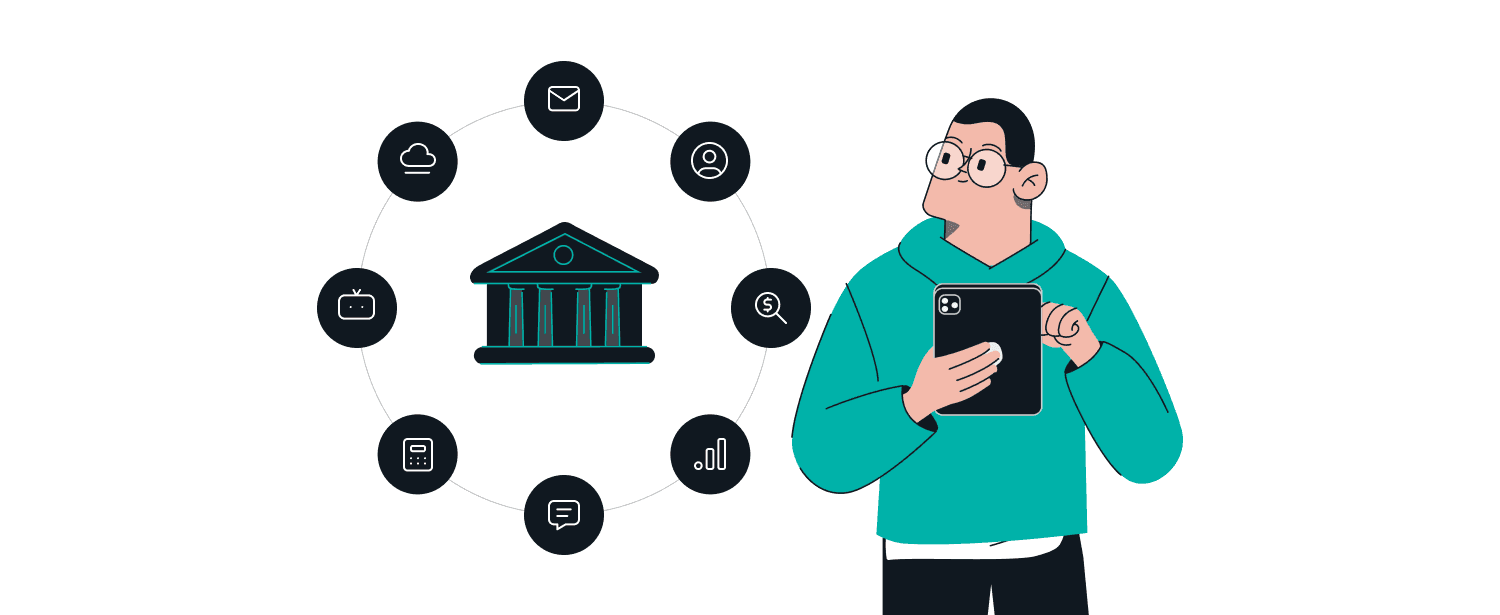
Omnichannel banking ties every channel together so the customer gets one consistent experience, whichever way they reach the bank. Making that work takes a few components lining up behind the scenes.
- Integrated infrastructure. The channels have to share data in real time. That rests on the backend systems and databases behind them, tied together by APIs that expose customer and transaction data the moment it changes.
- Unified customer view. Data from every touchpoint gets pulled into one profile, so the bank can see how a customer behaves and what they've done before, all in a single place.
- User experience. Whatever channel someone picks, the service and functionality should feel the same. Consistency is the point.
- Cross-channel integration. A customer should be able to jump from the mobile app to a branch visit without hitting a wall. That takes authentication that carries across channels and transaction tracking that follows the customer, with account details kept in sync the whole way.
- Personalization. Data analytics and Machine Learning shape what each customer sees, so it's relevant to them rather than generic.
Why omnichannel banking is the right choice
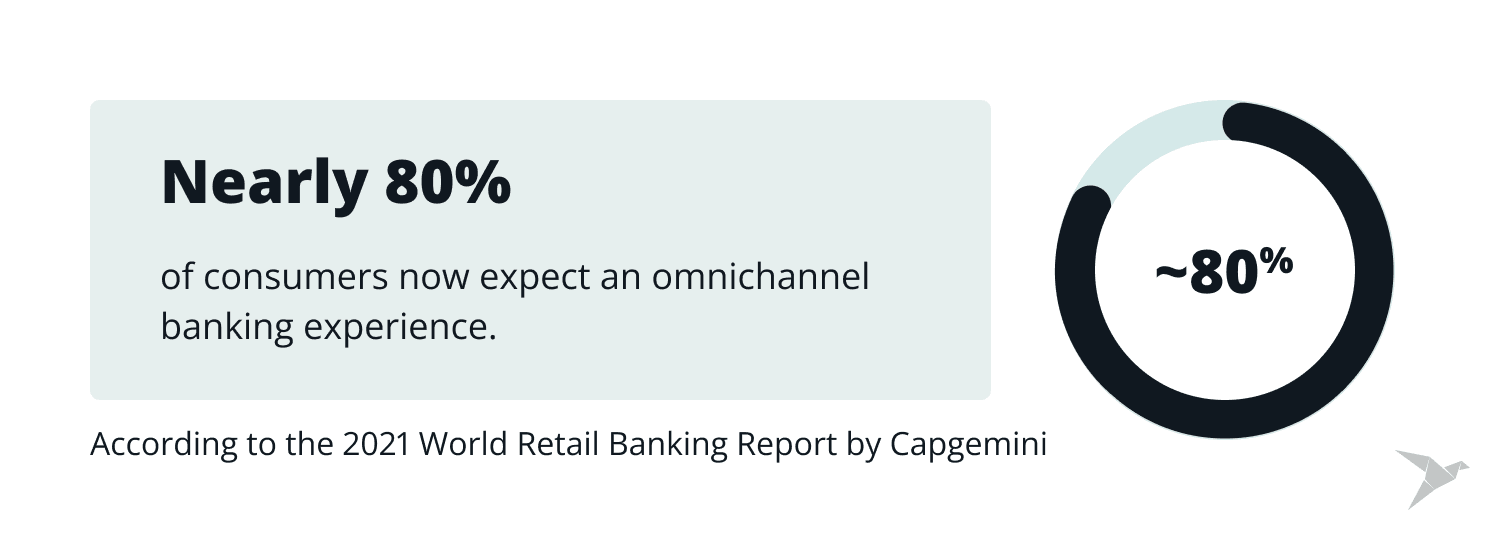
Capgemini's 2021 World Retail Banking Report found nearly 80% of consumers now expect an omnichannel banking experience. That number is really customers setting the agenda, pushing banks to add more ways to bank. So the pressure to prioritize omnichannel banking keeps building.
Banks aren't only competing with banks anymore. Fintechs deliver slick, user-friendly banking through pure digital products. Chime, for one, is mobile-first: customers open accounts, deposit, and transact entirely from the app or the web.
Statcounter data shows people now lean on mobile and desktop far more than a branch visit for everyday tasks. In banking, that shift toward digital channels also quietly lowers the bank's operating and maintenance costs.
Online, in the app, at a branch, or on the phone, the customer gets the same standard of service and the same accurate information every time. That consistency is what builds trust, because people know their banking will just work whichever channel they pick.
It also centralizes data. Pull customer information from every touchpoint into one place, and the bank finally gets a full picture of how each person behaves and what they're likely to want next.
Difference between omnichannel and multichannel banking
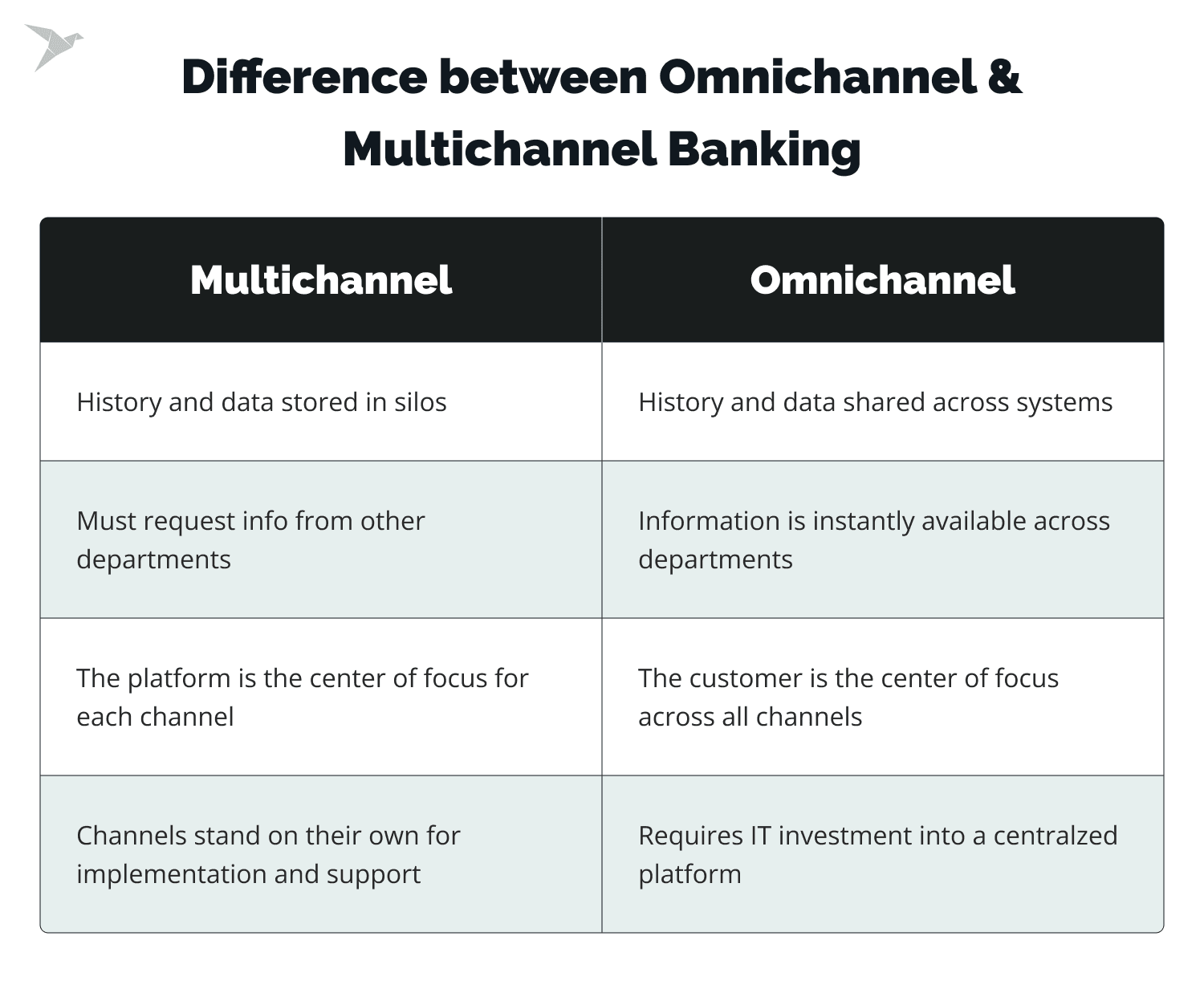
Multichannel banking offers plenty of convenience, but consistency is where it tends to fall short. Move between channels and things can break, which is where the frustration comes from. Omnichannel banking closes that gap, so a customer's transitions and their history stay unified across channels.
Both approaches offer services across in-branch appointments, ATMs, call centers, and mobile apps. The difference is integration. In multichannel, each channel runs on its own, focused on the transaction more than the overall experience.
In omnichannel banking, the experience holds up whether someone handles things themselves or gets an agent on the line. Their preferences and details follow along, captured once and shown accurately everywhere, in real time.
Use cases of omnichannel banking
Omnichannel banking presents many use cases that leverage its integrated approach to enhance customer experience, streamline operations, and drive business growth. Here are several key use cases of omnichannel banking:
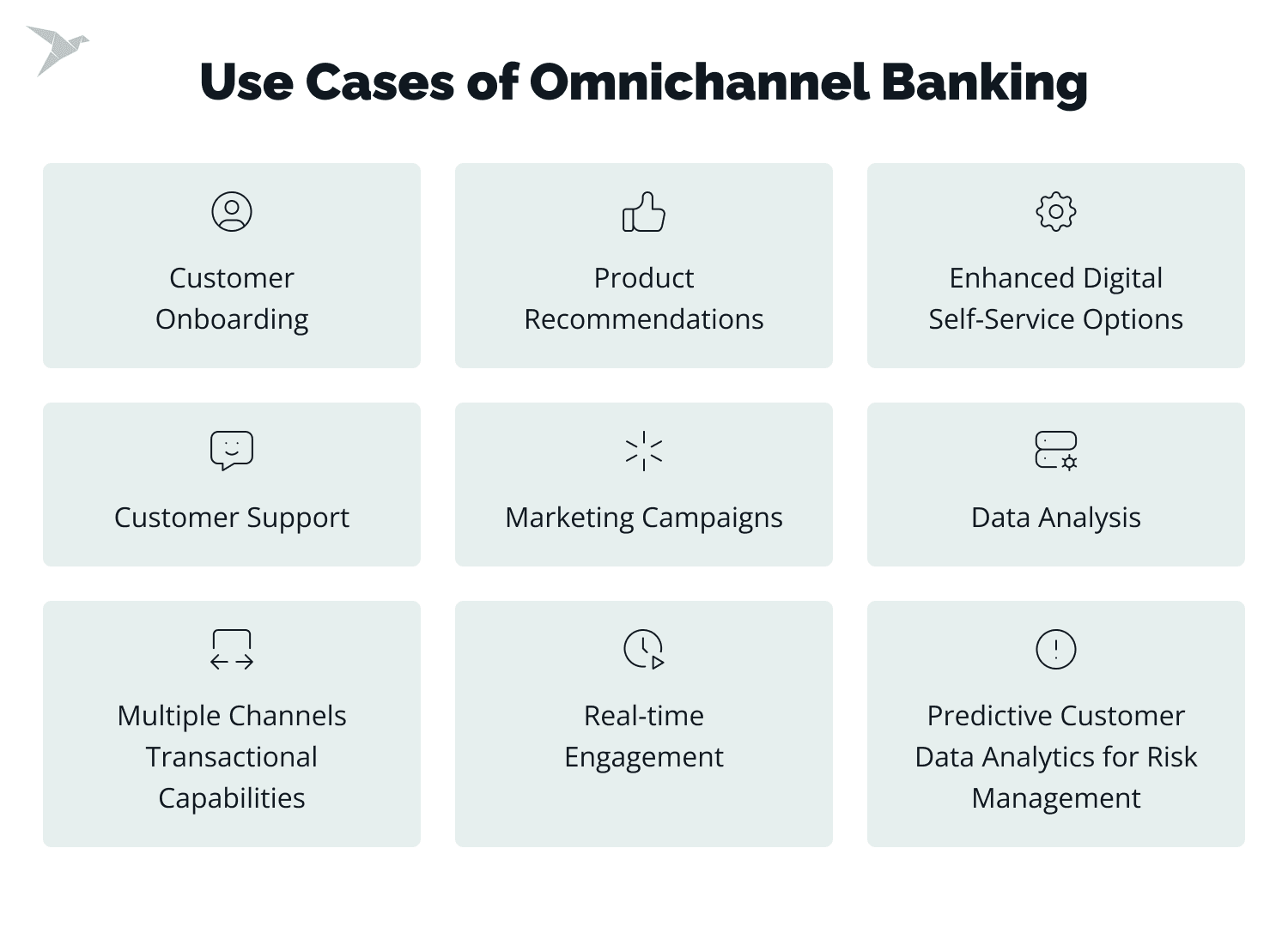
Customer onboarding
Say someone starts a current-account application on the mobile app during their commute and snaps a photo of their passport for the KYC check, then runs out of time. They can walk into a branch that afternoon, where the teller sees the half-finished application with the ID already verified and just needs a signature. Nobody re-keys the same details, and the customer never starts over.
Product recommendations
The platform spots products that actually fit by reading behavior across touchpoints. A customer who has opened the mortgage calculator three times this month, and just had a bigger salary land in their account, might get a pre-approved home-loan offer by push notification rather than the generic rate email everyone receives.
Customer support
A customer disputes a duplicate card charge over live chat, then has to drop off for a meeting. When they call back that evening, the agent already sees the chat transcript and the flagged transaction, so they pick up mid-dispute instead of explaining the whole thing again.
Marketing campaigns
It sharpens marketing, too. Campaigns can key off real customer profiles and actual transaction history instead of guesswork. A customer who tops up a travel card before every trip abroad might get a timely heads-up about lower FX fees on the premium account, sent the week before they usually book. Relevant messages like that, matched to what someone actually does, tend to lift engagement and conversions.
Multiple Channels Transactional Capabilities
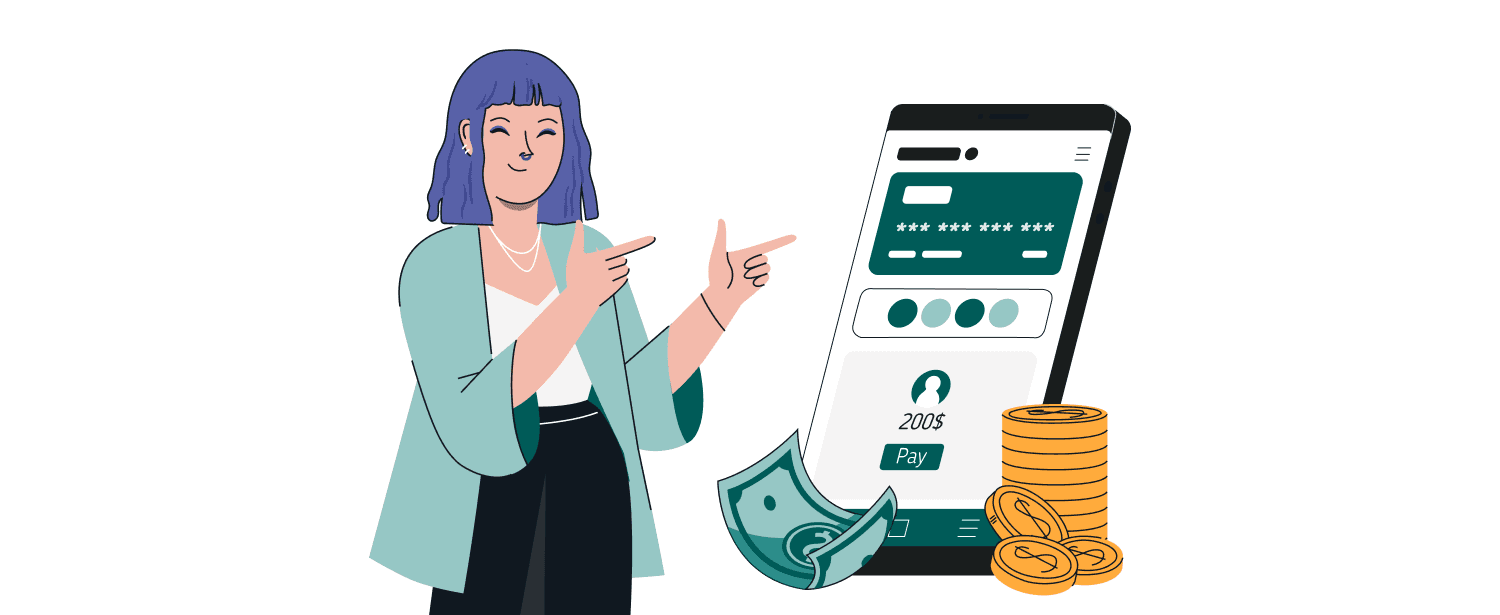
Transactions can span channels. A customer might start a £5,000 payment to an overseas supplier in the mobile app, pause to double-check the recipient, and finish it at a branch where staff verify the paperwork, with the amount and payee carried across intact so nothing gets re-entered.
Predictive customer cata analytics for risk management
Predictive analytics across channels helps a bank catch problems earlier, from card fraud to a loan heading for default. Say a card is used for a small online purchase in one country and, ten minutes later, a large ATM withdrawal in another. Watching activity in real time, the system flags the mismatch and freezes the card before the cash clears, then texts the customer to confirm.
Better digital self-service options
A customer can reset a blocked PIN at an ATM or ask the chatbot to move money between accounts, without ever waiting in a phone queue. That takes routine work off the support team, so agents spend their time on the cases that genuinely need a person.
Data analysis
The data side is strong too. A unified architecture lets a bank pull from sources well beyond the obvious channels. A customer who suddenly starts reading the pension pages and nudging up their monthly savings shows up as someone worth a retirement-planning conversation. Run predictive analytics over that, and the bank can reach out before they go looking elsewhere.
Those same built-in analytics also help spot upsell and cross-sell opportunities, and they let the bank respond as the market moves.
Real-time engagement
Because the data is real-time, a bank can act in the moment. If someone's balance dips below their usual buffer two days before payday, a quick notification about an arranged overdraft can reach them before an unplanned fee ever hits.
Learn about our expertise in the industry and what we have to offer
Best Practices for Implementation
Rolling out omnichannel banking is more a shift in how the business works, with the customer at the center, and it's hard on both the technical and the organizational side. So where do you start?
Start with the data. For channels to work together, a customer's financial and personal information has to stay consistent across web, mobile, phone, and everything else, so they can pick up where they left off. Then there's the people side. A call-centre agent who used to handle only phone queries now has to step into a chat thread a customer began in the app, so the training and the tooling both have to change. There's more to it than learning a new tool.
One real payoff is the data you can then analyze: transaction data pulled from every channel, plus the signals people leave on social networks. With Big Data tooling behind it, that becomes detailed customer profiles that sharpen risk assessment and help match the right offer to the right person.
Put a CRM at the center to hold customer data and track every interaction. When a customer who emailed about a lost card last week rings up about a mortgage today, the adviser sees both in one place instead of treating them as strangers. Wire the CRM into the other banking systems and information flows cleanly between them.
Go API-driven to connect the channels: mobile apps, websites, ATMs, branches. APIs pass data and functionality between systems that were never designed to talk, so customers reach services across channels without interruption, and the bank adapts faster when needs or trends shift.
Learn how we built macro-investing app with its own token and reward system
Challenges and solutions in omnichannel banking implementation
Integration complexities
The first hurdle is usually integration. Legacy systems and siloed data, plus a different stack sitting behind each channel, make wiring everything together slow and messy.
Solution: Modern platforms and middleware do a lot of the connecting. APIs and a microservices architecture decouple the systems, which makes integration faster and more flexible, and cloud-based solutions add the scalability to bring new channels on without a rebuild.
Addressing cybersecurity concerns
More channels mean more data moving around, and that widens the attack surface. A breach or a fraud incident costs money and, worse, customer trust.
Solution: Security has to come first. Strong authentication and encryption are the baseline, along with security protocols kept current and regular audits. On top of that, intrusion detection and AI-powered threat analytics help catch and answer threats in real time.
Staff training and change management
This is as much a people change as a technology one. Staff have to adapt to new processes and new ways of serving customers, and that takes real training and support to land.
Solution: Invest in proper training so staff understand why omnichannel banking matters and can actually use the new systems. Keep support going through digital training and open channels for questions and feedback. And a culture that rewards trying things makes people far more willing to go along with the change.
Our Experience Building Banking and FinTech Products
We've spent 12+ years building financial software, from consumer banking infrastructure and mobile banking apps to trading, payments, and wealth management systems. Our FinTech practice works across AWS, Azure, and Google Cloud, mostly on a Node.js stack, and it's led by David Grinberg, Director of FinTech and a former Vice President at Goldman Sachs.
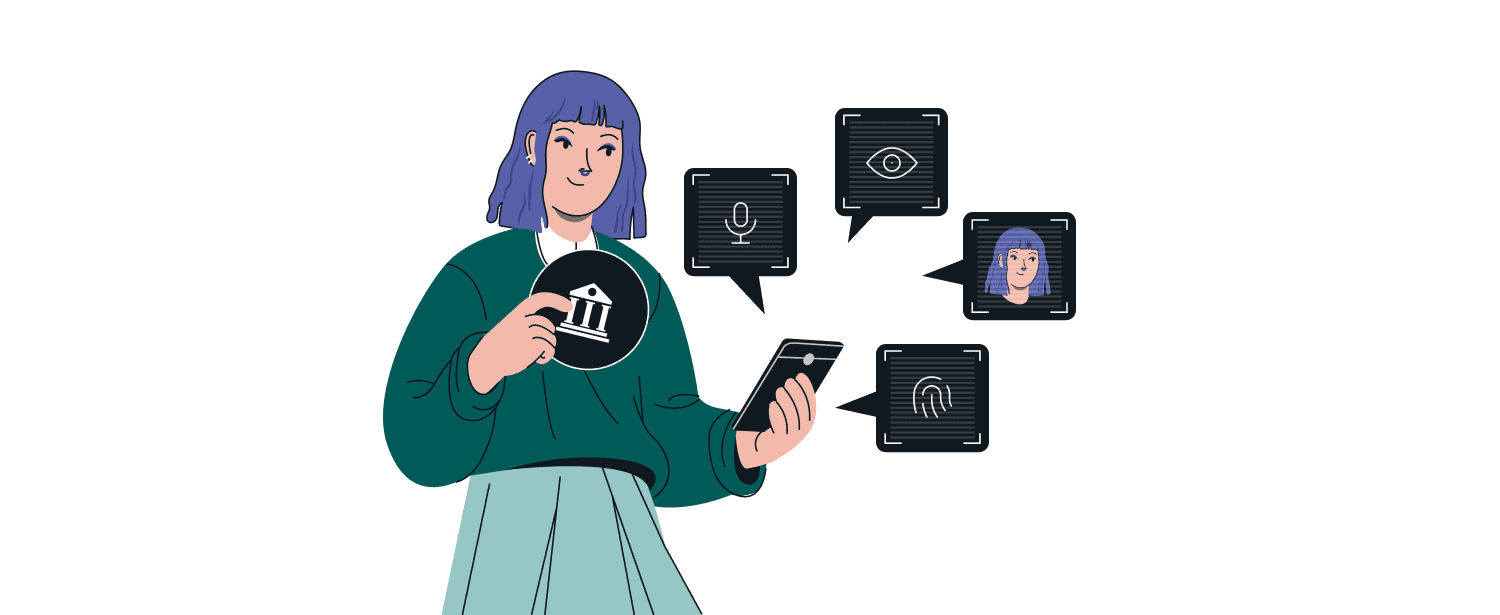
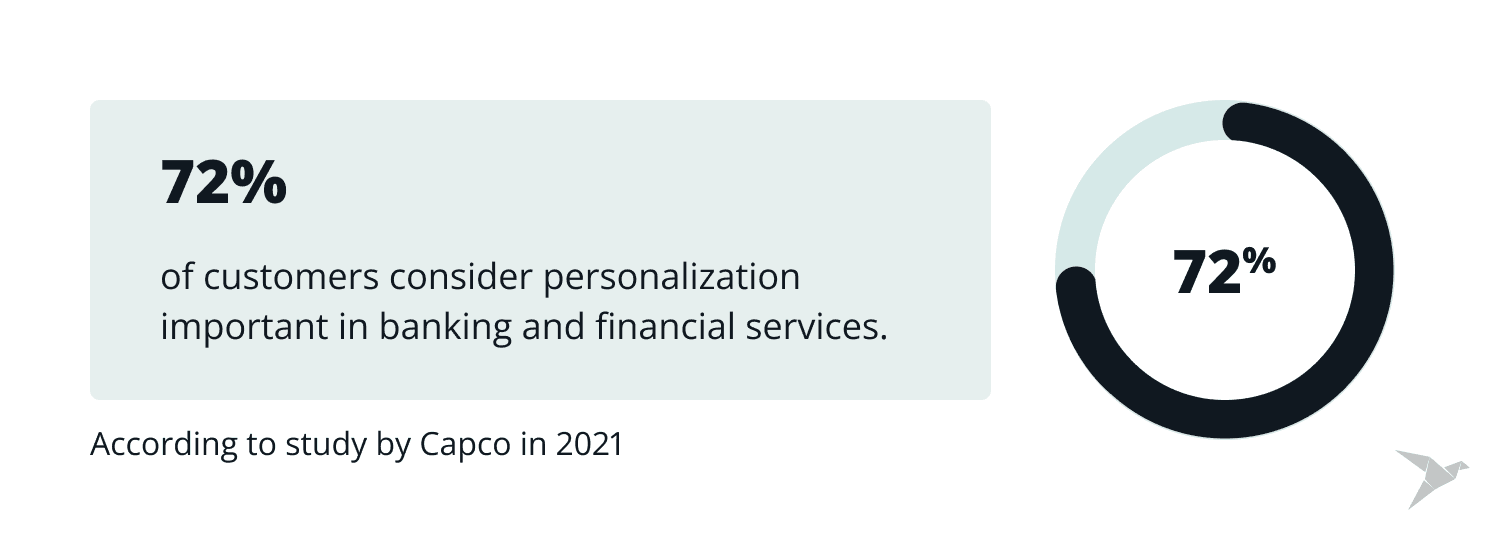
The groundwork this guide describes is the same work we do on digital banking platforms: a shared data layer, API-driven integration, secure onboarding, and real-time transaction monitoring. Security comes with it too, encryption, tokenization, biometric checks, and fraud detection that hold up across channels, and we build to the specific rules each country and state imposes, beyond the common baseline.
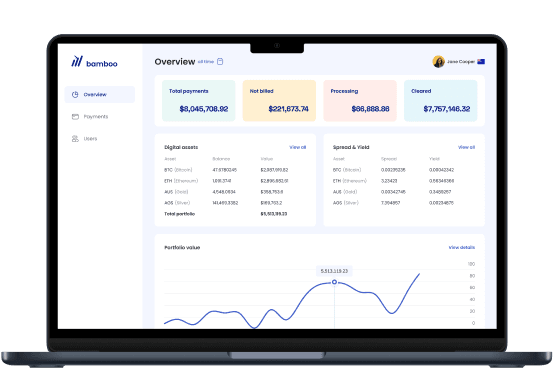
One example is Bamboo, a micro-investment app we built for an Australian fintech. After we added new features and capabilities, the app saw a 700% increase in active users. Its CEO, Blake Cassidy, said the team chose TechMagic for its “superior systems and processes.”
Conclusion
Today's customers won't accept generat solutions; they want service shaped around them. A solid multichannel foundation delivering a true omnichannel experience is how a bank gives them that, across every touchpoint. The customer information is already sitting there; the banks that use it well tend to be the ones that pull ahead.
Omnichannel digital banking keeps gaining ground. Banks and credit unions have been slower to move, but more of them are seeing the payoff, in both cost savings and customer satisfaction.
If you're weighing the move to a fully omnichannel banking setup, get in touch. We'll help you design a banking environment built for where things are heading.

FAQ

Omnichannel banking improves the experience by keeping interactions consistent across channels. A customer can start a transaction on one and finish it on another without losing their place.
The main benefits are higher customer satisfaction and retention, along with better operational efficiency and more revenue. A consistent, personalized experience across channels is what strengthens relationships and brings in the new customers that drive growth.
Common challenges include integrating legacy systems, managing the data, cybersecurity, performance, and staff training. Careful planning helps, along with investment in the right infrastructure, a focus on data integration and security, and real training and support for the teams involved.
Yes. A small bank can do this well by choosing scalable, adaptable technology. Resources are tighter than at a big institution, sure, but they can still put the customer first, invest in easy-to-use digital channels, and partner with an experienced vendor to build something that fits.