 Software Development
 Security Services
 Cloud Services
 AI Services
 Other Services














 TechMagic Academy


IoT Product Development Services
TechMagic's IoT product development services build the whole software product behind a connected device: the companion app, the cloud backend, connectivity, and QA, under one architecture. Startups building a first connected device get a full product team, and vendors with a shipping device get the software layer they lack.
years on the market
happy clients
certified experts
client NPS
We're Trusted By





























The Challenges We Help You Solve
Companies that develop IoT products face the same blockers: vendor sprawl, no software layer, a rigid architecture, a legacy embedded stack, disconnected app and cloud work, and untested device behavior. Each one below comes with how TechMagic solves it.
Separate app, backend, connectivity, and QA vendors each own a slice of the product, and nobody owns how the slices fit together. We deliver the whole software product in one engagement, so one architecture carries every layer and decisions get made once.
Established hardware vendors reach the software layer with no in-house engineers for it, and hiring a full IoT development team takes months they do not have. TechMagic covers that layer through augmentation, so senior IoT specialists join the product without the hiring overhead.
A structure that carried the first release can buckle under the third, once the fleet grows or the feature set widens. At TechMagic, we design the IoT architecture around where the product is going, so scalable connected solutions absorb new features without a rewrite.
An old operating system or Bluetooth Classic on a shipping device can hold back a whole product roadmap. We modernize the embedded software and the operating system it runs on, so physical devices already in the field can carry the next product generation.
When the mobile app, the cloud infrastructure, and the connectivity layer are built separately, integration bugs surface late and cost the most. Our specialists build all three as one coherent system from the first sprint, so cloud connectivity and device behavior are designed together.
A product that looks right in a demo can still fail against real Bluetooth Low Energy (BLE) range, battery drain, or field conditions. We test how the software behaves with real connected IoT devices before launch, across the app, pairing flow, and cloud path.
IoT Product Development Services We Provide
TechMagic covers architecture, the companion app, the cloud backend, connectivity, embedded modernization, and QA.
IoT Projects We've Worked On
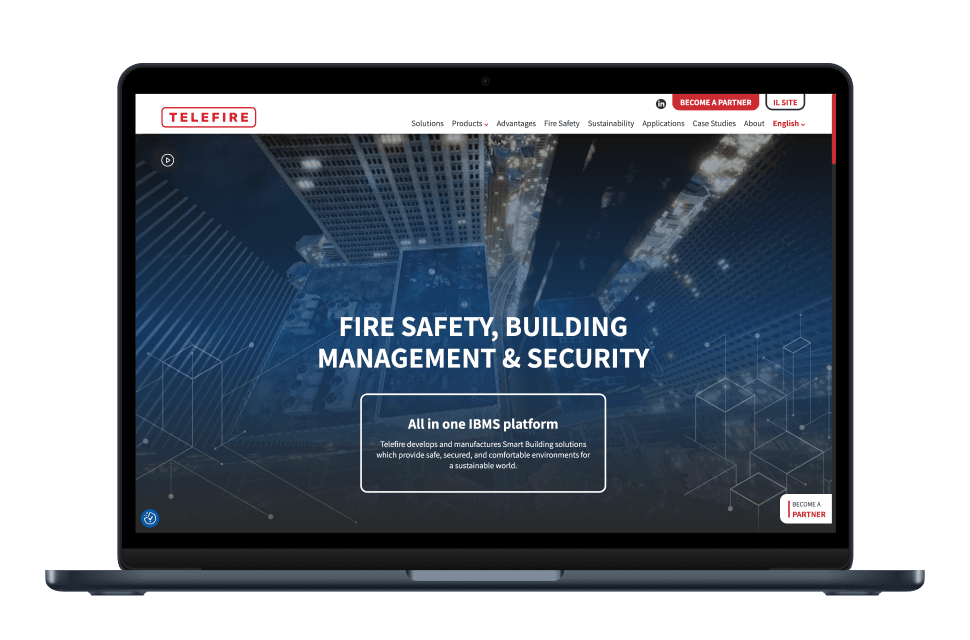
The connected fire-safety hub lets facility teams monitor the fire-alarm panel remotely. They can also control it from a mobile app. The app integrates with addressable detectors. It also connects to an open BMS platform. This is part of a certified manufacturer's shift toward unified smart-building technology.
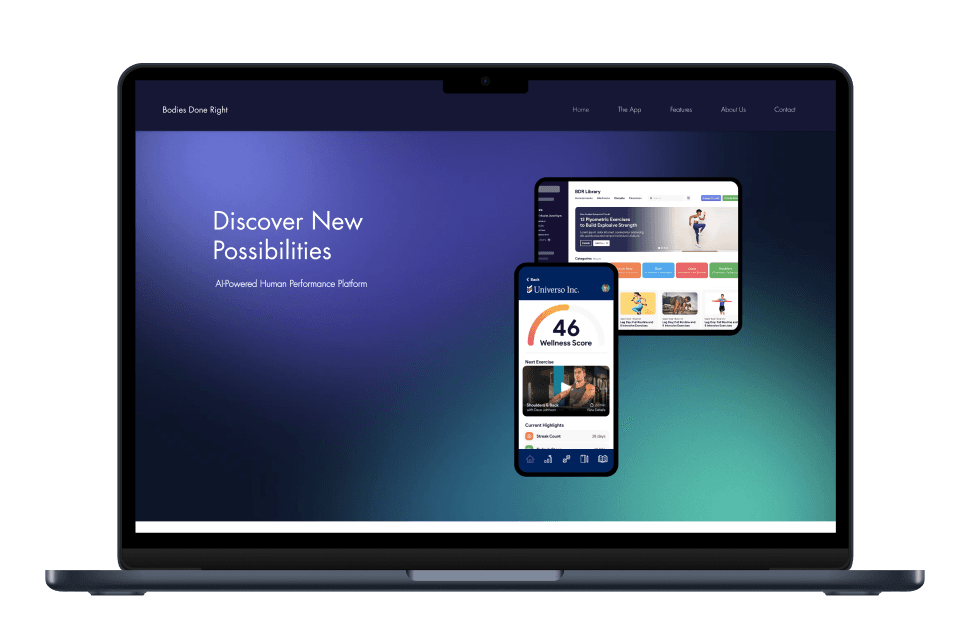
The app delivers a year-long AI-powered training program with guided workout animations for proper form, mood and heart-rate tracking for personalized insights, and integration with Garmin, SUUNTO, Motorola, and ANT+ devices for fitness, therapy, and rehab use cases.
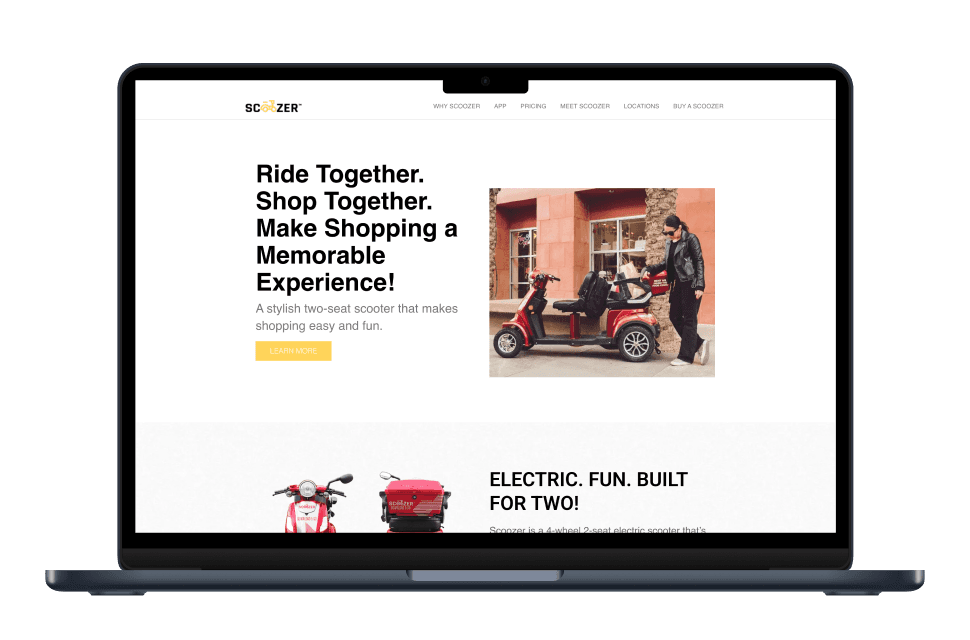
Our team built the iOS and Android apps powering Scoozer's rental flow: BLE scan-to-unlock, phone-as-key start and stop, and a return flow enforcing venue rules. The platform now runs live across multiple US mall locations, including Simon and Premium Outlets.
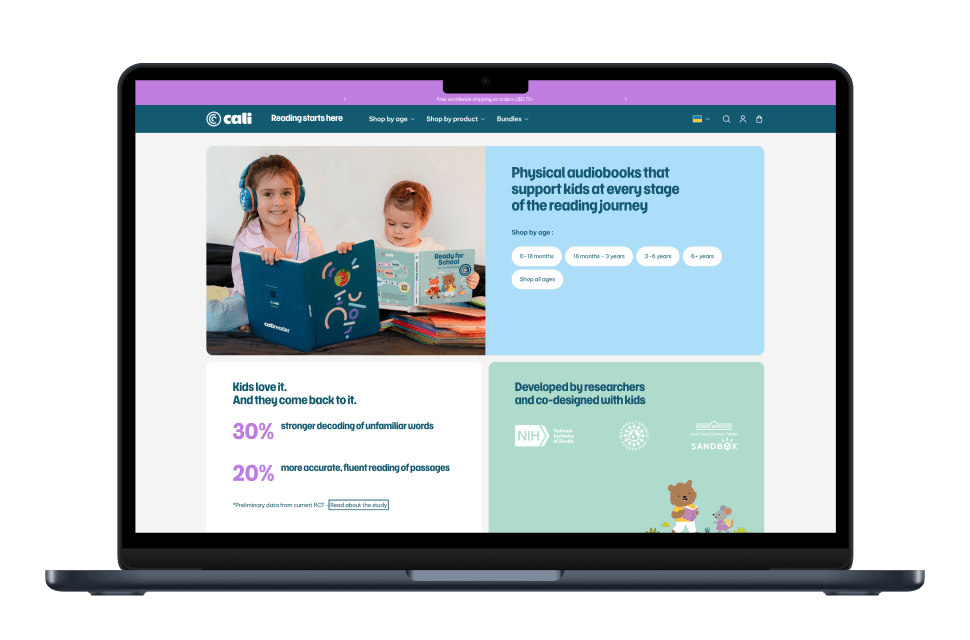
For this case, we leveraged IoT technology to create learning solutions for kids. The infinibook is a screen-free reading device. It pairs with a companion app for local and remote audio recording. Parents can swap in different story booklets. The app also includes Montessori-inspired games. Distant relatives can narrate stories remotely through the app. This helps children build early literacy skills without a screen.
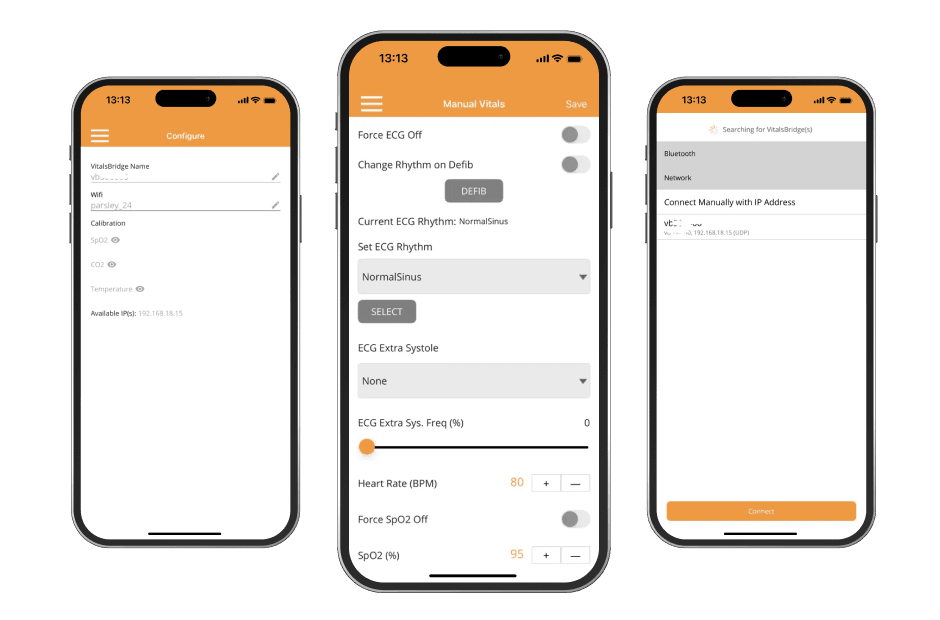
We built VitalsBridge's Android and iOS apps, migrated the embedded stack from Windows IoT Core to Linux, and moved device communication from Bluetooth Classic to BLE, improving reliability. The product was later acquired by Laerdal Medical in March 2026.
The connected fire-safety hub lets facility teams monitor the fire-alarm panel remotely. They can also control it from a mobile app. The app integrates with addressable detectors. It also connects to an open BMS platform. This is part of a certified manufacturer's shift toward unified smart-building technology.
The app delivers a year-long AI-powered training program with guided workout animations for proper form, mood and heart-rate tracking for personalized insights, and integration with Garmin, SUUNTO, Motorola, and ANT+ devices for fitness, therapy, and rehab use cases.
How We Approach AI Readiness in a Connected Product
At TechMagic, AI readiness means using AI inside our own engineering process, and building the product so AI features can be added later, safely and without a rebuild.
The Business Value of IoT Product Development
A full-product engagement decides who is accountable, how long the architecture lasts, what you can do with hardware you already ship, and how ready the product is on launch day.
One owner covers architecture, app, cloud, connectivity, and QA across the whole build. Nobody arbitrates between vendors when a bug crosses a boundary, and answers come from one place. For a founder watching timeline and expenses, that removes a coordination cost nobody budgeted for.
The system is designed for the third release rather than the first, where IoT product engineering services earn or lose their value. Adding a device model, a market, or a feature becomes a planned change. Your technical leadership can check it in the architecture documents before committing a budget.
Embedded and OS migration adds capability to a device already in the field. A fire panel, a building management system (BMS) controller, or a medical simulation unit can gain BLE, a modern operating system, and a cloud path. The device stays as-is, so a new generation doesn't need a redesign.
Production readiness is in scope from the start, so it isn't compressed when a date slips. The software is tested against real device behavior, the cloud path is load-checked, and the release process is ready before launch. You launch with the failure modes already closed.
How It Is Working With TechMagic

CEO, Bamboo

TechMagic supports ongoing development and DevOps for an investment platform, ensuring stable feature delivery. "We were impressed with their Strang System, team management processes, and overall composition."

CEO, Innovations Now
They’re very thorough, and that’s part of their DNA.
Founder, Taggis
TechMagic is different because they’re eager to make sure that we’re content with their services. They’ve even come to check-in with our team in Sweden a few times. We’re very close in terms of our business relationship. I would also like to add that their pricing level is good, and they always respond quickly.
Co-Founder & CTO, Governance.com
They worked very quickly. Within a week, they delivered visuals that I wasn’t expecting for several more weeks.
CTO, engin sciences
"TechMagic is very good at picking up what needs to be done to move the project forward."
COO, PeerPilot
They did an impressive job of understanding where we wanted to go without us having to explain it explicitly.
Connected vehicles, scooters, and rental fleets need BLE unlock, cloud telemetry, and a booking app to work as one product. We build all three as one system.
Wearables, activity trackers, and performance devices produce signals that are only useful once it is read properly. We cover BLE, mobile apps, and electromyography (EMG) analytics.
Connected medical devices and simulation units need a companion app and a secure data path. We build that layer and modernize embedded software, and Class III devices stay outside our scope.
Fire panels, BMS controllers, and security hubs have to handle alarms, access control, and remote monitoring through one interface. We modernize the embedded software and build the dashboards behind them.
Plants and equipment owners want monitoring, maintenance workflows, and industrial automation support software that raises operational efficiency. We consult on industrial IoT applications and scope the software layer with your engineering team.
Smart devices for the home need onboarding, pairing, remote control, and usage analytics people actually use. We consult on consumer electronics builds and bring the same BLE and cloud engineering behind them.
We start by mapping the full product: the device, existing embedded software, the app, the cloud, and the systems it has to exchange data with. We agree on what "done" means for this launch. You get back a scope, a sequence, and a team shape.
Next, we design the system architecture and choose the IoT technology for each layer. Both get validated against one real device before the rest is built. Rapid prototyping here is inexpensive, and it surfaces the connectivity and data assumptions that would cost months later.
The app, cloud backend, and connectivity layer are then built together in the same sprints. Device integration and cloud integration happen continuously rather than as a handoff at the end. That is where most schedules slip, so it stops being a surprise.
Finally, we validate the software against real device behavior and run the security and performance checks. We support the release itself, then stay through the first updates after go-live. Real usage data arrives then, and it usually changes something.
Tools and Tech Stack
The IoT ecosystems we build all have a connectivity layer, a cloud backend, and a companion app. These are the technologies behind each one: - Bluetooth Low Energy (BLE) for device-to-app communication: pairing, remote control, and telemetry from IoT sensors on battery-powered devices. - AWS IoT Core for the cloud backend: device registry, secure ingestion, and the pipelines behind reporting and alerting, plus custom IoT platforms where a managed service stops short. - Kotlin Multiplatform for the companion app: one shared codebase across iOS and Android, with native interfaces on each.
BLE, AWS IoT, and Kotlin Multiplatform run across architecture, app, cloud, and QA inside one engagement. Advanced IoT solutions depend on choices at that level, so we name ours upfront. We open every one of those choices to challenge before the contract is signed.
Senior engineers work across every layer of the product, coordinated as one team with one backlog. You keep the same people from architecture through launch, so context is not lost between app, cloud, and connectivity work. Scope moves up or down as the roadmap changes, without restaffing.
Our security practice holds CREST accreditation, and our engineering aligns with ISO 27001 and SOC 2 practices. On a connected product, that means device authentication, encrypted telemetry, and access control are in the design from the start. Your assessor sees a system built against those standards from day one.
A dedicated team works across the app, cloud, and connectivity layers, to your roadmap and your rituals. It suits an ongoing build where scope will keep moving. Capacity scales up or down as the release plan changes, and the contract does not need reopening.
A defined scope, a price, and a date are agreed for one specific milestone. That can be an MVP, or a single layer such as the companion app. It suits a founder who needs budget certainty, and discovery comes first, because a price set before scoping is a guess.
Senior engineers from our European and Latin American hubs work as one team, under one contract and one process. Latin American hours overlap with the United States, so standups, reviews, and release checks land inside your business day. Both hubs staff at senior level only, which keeps the rate predictable and scaling quick.
FAQs
Let’s turn ideas into action

VP of business development

Trusted by: